Home / Blog / AI Integration Consulting vs AI Strategy Consulting: What's the Difference?
AI Integration Consulting vs AI Strategy Consulting: What's the Difference?
AI Integration Consulting helps businesses connect AI tools with existing systems, while AI Strategy Consulting focuses on planning how AI can support business goals. Understanding the difference helps you choose the right approach to improve efficiency, streamline workflows, and make smarter business decisions.
13 Oct, 2026
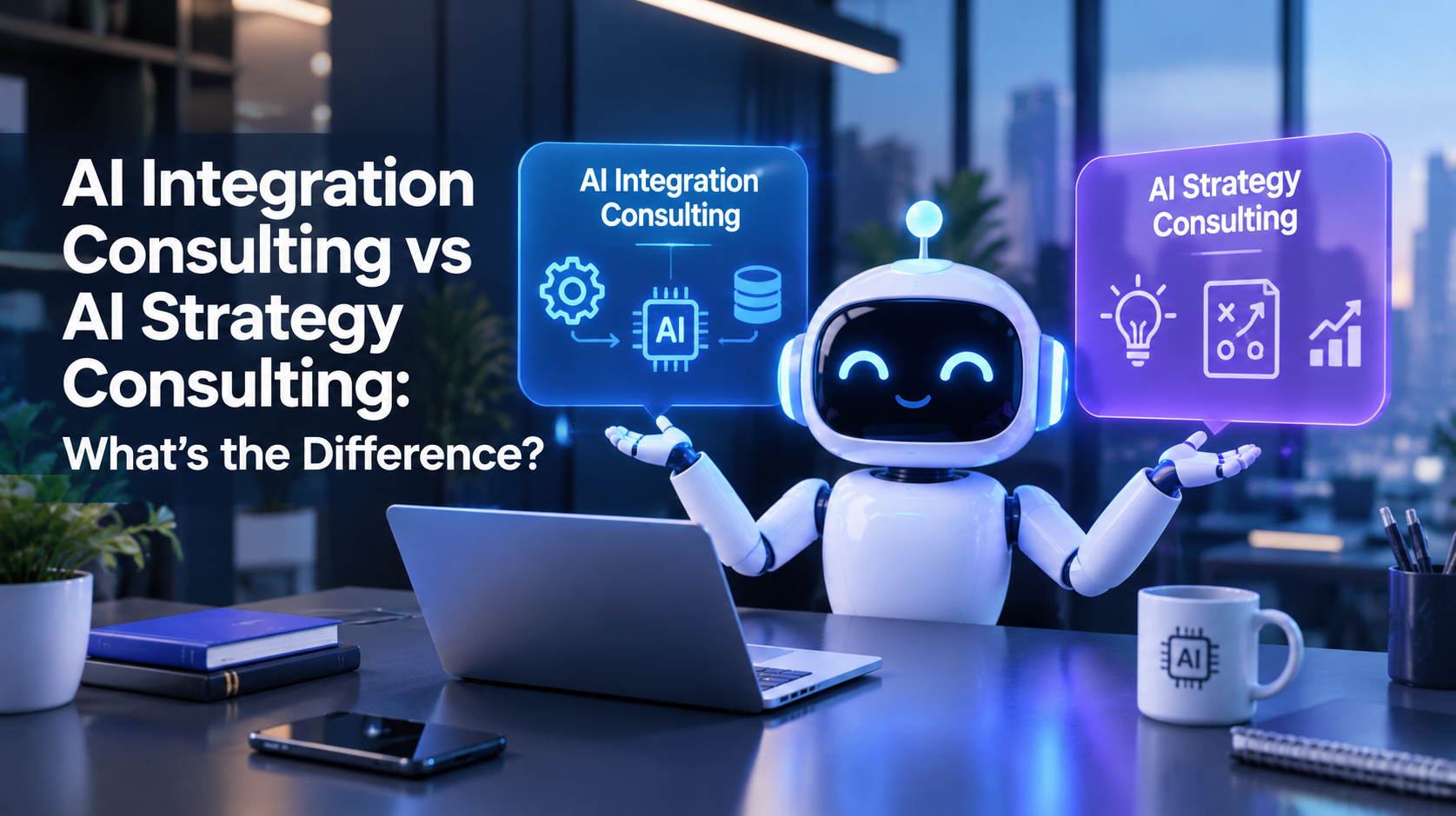
These two terms get used interchangeably, but they describe different work. AI strategy consulting figures out what a business should automate, where AI fits the existing workflow, and what the priorities are. AI integration consulting takes that plan and builds it into the systems a business already runs on. Knowing which one you actually need saves time before you talk to a provider.
What Each Type of Consulting Actually Means
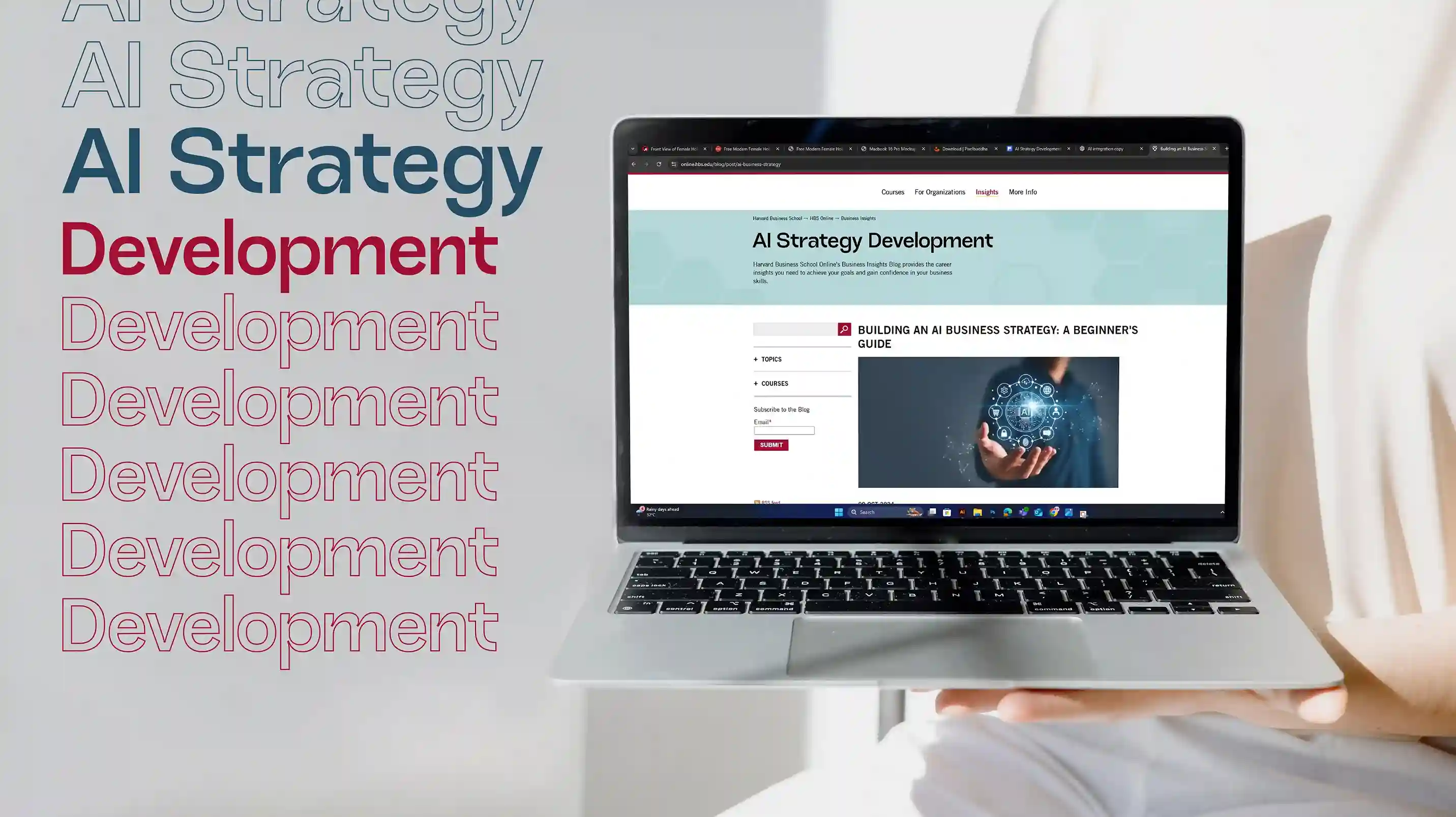
AI strategy consulting is the planning stage. A consultant looks at how a business currently operates, where repetitive work is slowing teams down, and which processes are realistic candidates for automation. The output is usually a roadmap: what to build first, what data needs to be in order, and what the expected trade-offs are. If you want to see what developing an AI strategy actually involves step by step, it typically starts with this kind of internal audit before any tool gets chosen.
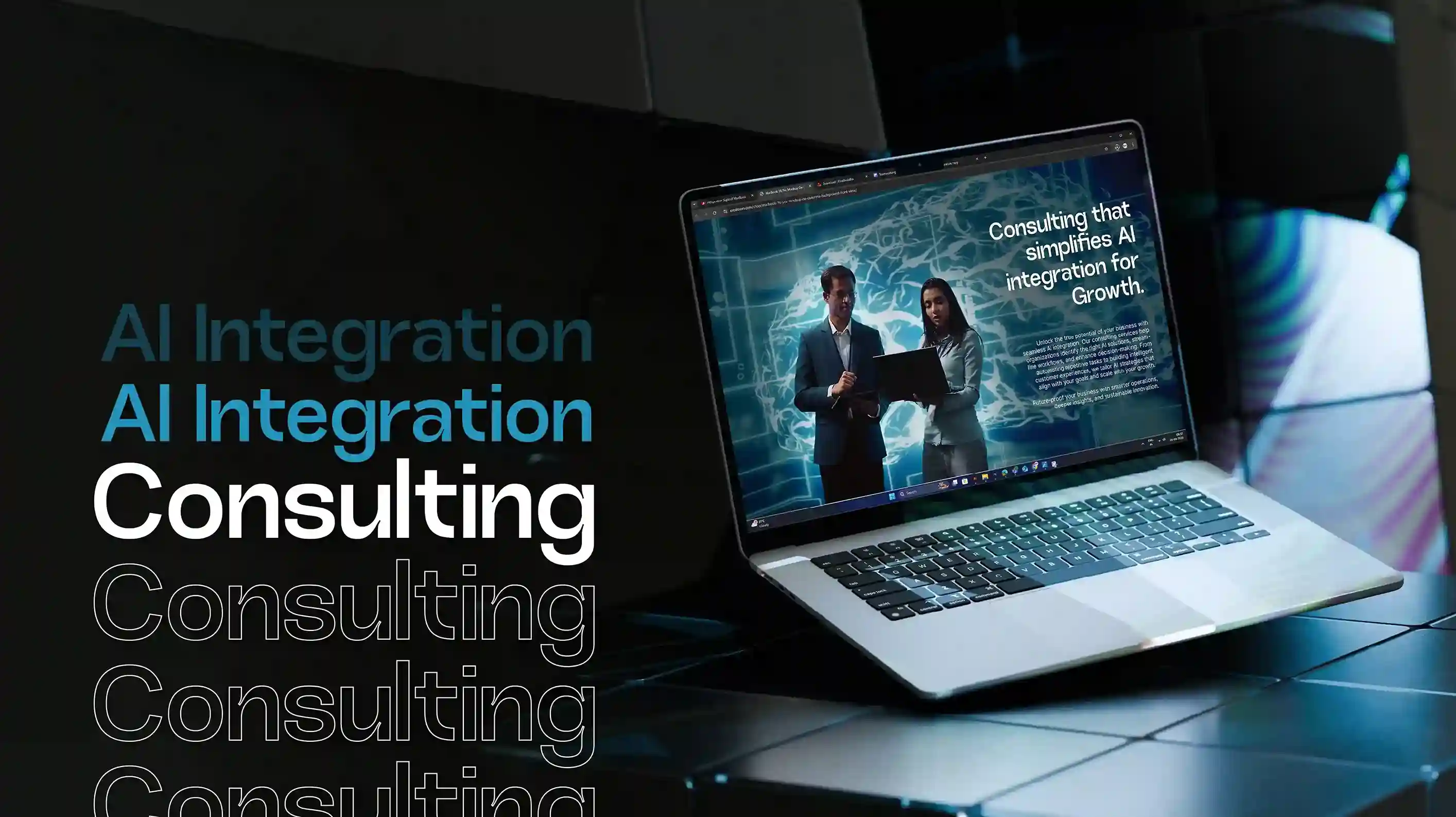
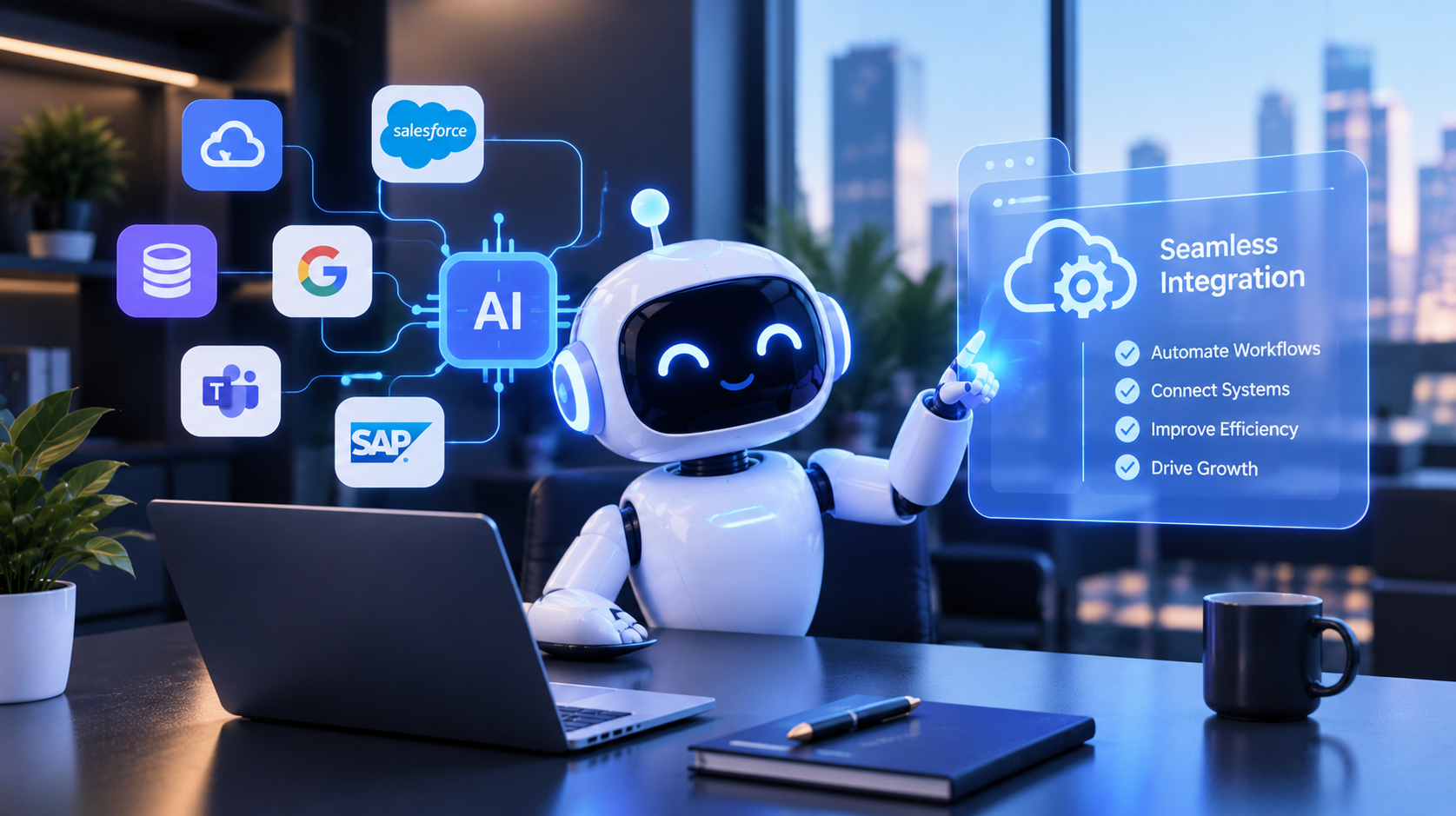
AI integration consulting is the build stage. This is where an AI agent, chatbot, or automation gets connected to the tools a business already uses, such as a CRM, an e-commerce platform, a support inbox, or internal software. The consultant handles the technical work of making the new AI component talk to existing systems without breaking them.
A business can start with either one, depending on where it currently stands.
Key Differences
Advantages and Limitations
AI strategy consulting is useful when a business has general interest in AI but no clear starting point. It reduces the chance of spending the budget on the wrong project first. The limitation is that strategy alone does not produce anything usable. Without a build phase to follow it, a roadmap stays a document.
AI integration consulting moves faster toward a working result, since it starts from an already-defined goal. The limitation shows up when there was no planning step first: a business might integrate an AI tool into a workflow that was not designed to be automated in the first place, which creates more cleanup work later.
When Each Approach May Fit ?
AI strategy consulting tends to fit businesses that are early in their AI adoption, have several departments that could benefit from automation, or need internal buy-in before committing budget to a build.
AI integration consulting tends to fit businesses that already have a specific automation in mind, such as a chatbot for customer support or a workflow connecting their CRM to their invoicing system, and need the technical work done correctly.
Many businesses end up needing both, in sequence: a short strategy phase to confirm priorities, followed by integration work to build the highest-priority item first. 10turtle approaches this through AI Integration & Strategy Consulting services , where strategy and integration are handled by dedicated specialists working under one accountable partner rather than being split across separate vendors.
Questions to Ask Before Choosing
- Do we already know what we want to automate, or do we need help identifying it first?
- Does the provider offer both planning and technical build work, or only one?
- What existing systems will this need to connect to, and has the provider worked with them before?
- What happens after the roadmap or the build is delivered? Is there support for adjustments?
Frequently asked questions
1. What is the difference between AI strategy consulting and AI integration consulting?
AI strategy consulting focuses on deciding where AI can benefit a business and creating a practical roadmap. AI integration consulting focuses on connecting and implementing AI solutions within existing business systems and workflows.
2. When should a business choose AI strategy consulting?
AI strategy consulting is useful when a business wants to adopt AI but is unsure which processes to automate, what to prioritize, or whether its current data and systems are ready.
3. When is AI integration consulting the better choice?
AI integration consulting is a better fit when a business already has a specific AI solution or automation in mind and needs help connecting it with systems such as a CRM, e-commerce platform, support software, or internal applications.
4. Can a business use both AI strategy and AI integration consulting?
Yes. Many businesses benefit from using both. A strategy phase can identify priorities and define the right approach, followed by integration work to implement the highest-priority AI solution.
5. What should businesses ask an AI consulting provider before starting?
Businesses should ask whether the provider offers strategy and integration services, which existing systems can be connected, what the implementation process involves, and whether ongoing support is available after deployment.