Home / Blog / Responsive Website Design Services: Why Mobile-First Design Matters
Responsive Website Design Services: Why Mobile-First Design Matters
Mobile users now dominate web traffic, making responsive design a growth-critical decision. This blog explains responsive website design services and why mobile-first design matters for performance, SEO, and long-term business scalability especially for modern, growth-focused brands.
31 Dec, 2025
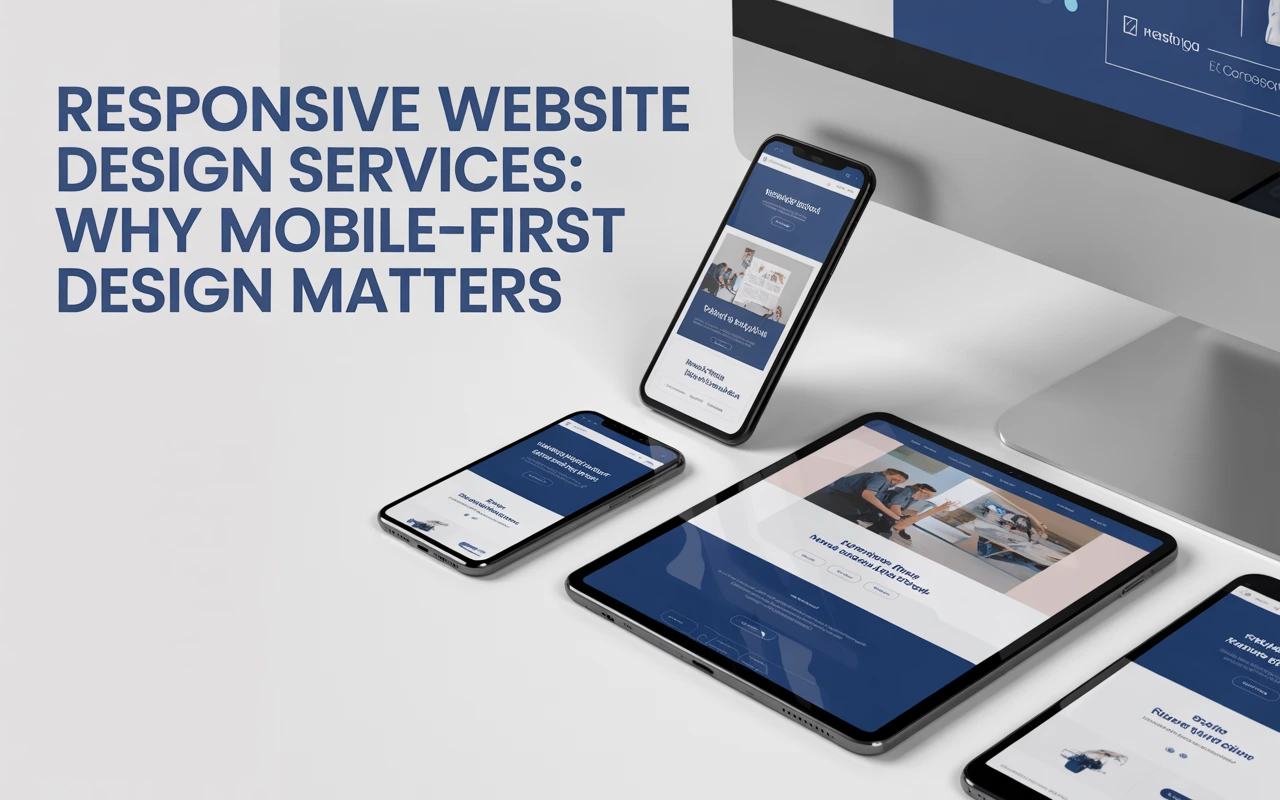
Web users no longer browse primarily on desktops. Mobile devices account for the majority of global web traffic, and search engines now prioritize mobile experiences first.
That shift has changed how websites must be designed. Responsive design is no longer optional and mobile-first design has become the foundation of high-performing websites.
What Are Responsive Website Design Services?
Responsive website design services ensure that your website:
- Adapts seamlessly to all screen sizes
- Maintains usability across devices
- Delivers consistent performance and branding
Instead of building separate desktop and mobile sites, responsive design creates one flexiblesystem that adjusts intelligently.
What Is Mobile-First Design?
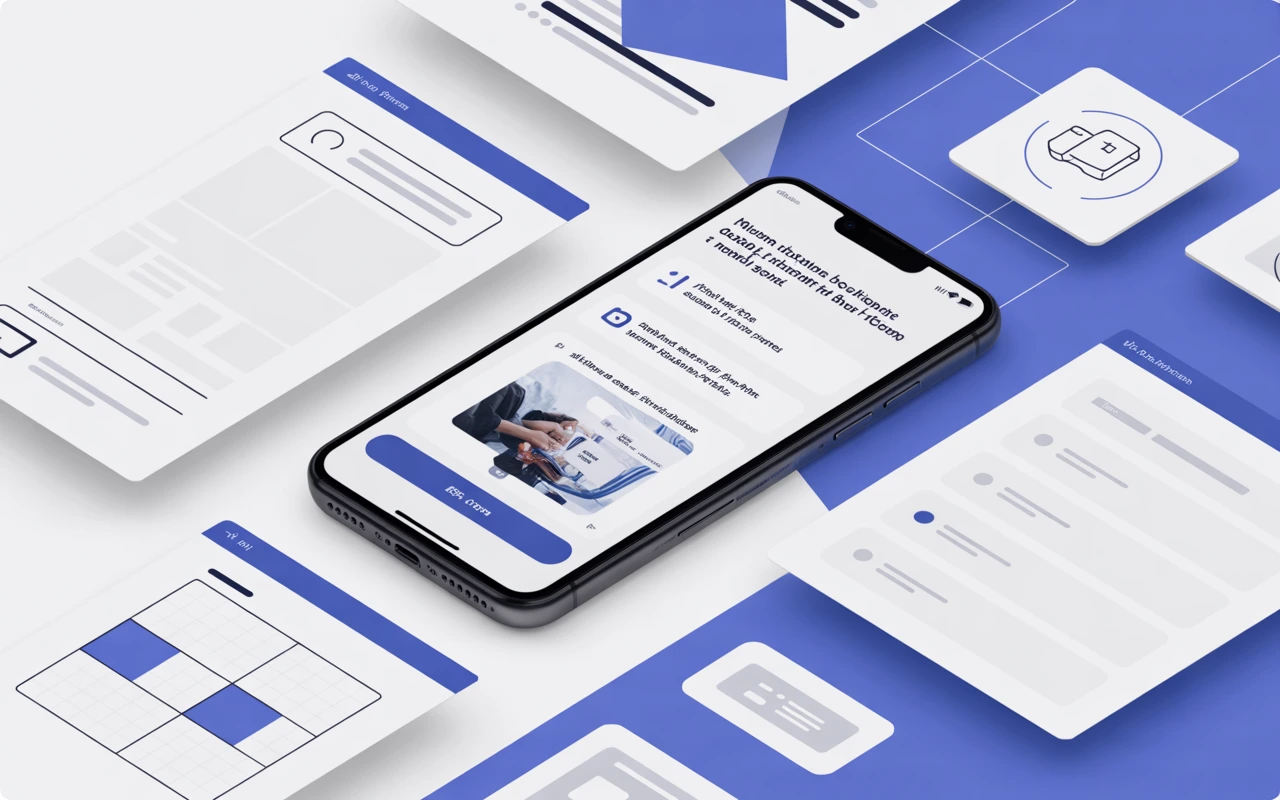
Mobile-first design means designing for mobile screens first, then scaling up to tablets and desktops not the other way around.
This approach prioritizes:
- Core content
- Fast loading speeds
- Touch-friendly interactions
Why Mobile-First Design Matters for Business Growth
1. Google Uses Mobile-First Indexing
Google primarily evaluates the mobile version of your website for ranking and indexing.
2. Better User Experience on All Devices
Mobile-first layouts force clarity only essential elements make the cut. This improves usability even on larger screens.
3. Faster Page Speed & Lower Bounce Rates
Mobile-first sites are lighter by design, leading to:
- Faster load times
- Lower bounce rates
- Higher engagement
4. Higher Conversion Rates
Mobile-friendly forms, CTAs, and navigation directly impact lead generation and sales.
Mobile-First Design vs Traditional Responsive Design

Who Needs Responsive Website Design Services?
Responsive, mobile-first design is essential for:
- Small businesses
- eCommerce websites
- SaaS platforms
- Service-based companies
If your website drives leads or revenue, mobile-first design directly impacts growth. A professional agency ensures: Responsive website design services built on a mobile-first approach are no longer a trend they’re a requirement. Businesses that prioritize mobile users gain faster websites, better rankings, and higher conversions. Mobile-first design isn’t about shrinking a desktop site. It’s about building smarter from the start.How Professional Responsive Design Services Help
Final Thoughts
FAQs
Q-1. What are responsive website design services?
A-1. Responsive website design services create websites that adapt smoothly across all screen sizes, ensuring usability, performance, and consistency.
Q-2. What is mobile-first website design?
A-2. Mobile-first design starts with designing for mobile devices first, then scaling the layout for larger screens to ensure optimal performance and UX.
Q-3. Does mobile-first design improve SEO?
A-3. Yes. Google uses mobile-first indexing, so mobile-optimized websites are more likely to rank better in search results.
Q-4. Is responsive design still necessary if I have a mobile app?
A-4. Yes. Your website is often the first interaction users have with your brand, and it must perform well on mobile devices.
Q-5. How do I know if my website is mobile-friendly?
A-5. If your site loads slowly on mobile, has hard-to-click elements, or poor navigation, it likely needs a mobile-first responsive redesign.
-1756102139478.webp)