Home / Blog / Product Catalog Design Services: Best Practices for Higher Conversions
Product Catalog Design Services: Best Practices for Higher Conversions
Product catalog design services help businesses present products clearly, attract buyers, and guide purchasing decisions. This blog explains proven design best practices, real-world examples, and strategic elements that improve usability, engagement, and conversion rates across digital and print catalogs.
21 Jan, 2026

A product catalog is more than a collection of product images.
It is a sales tool.
When done right, product catalog design:
- Builds trust
- Simplifies decision-making
- Increases engagement
- Drives conversions
Poor design, however, confuses users and kills sales.
This guide explains product catalog design services and the best practices that directly influence higher conversions without design jargon or fluff.
What Are Product Catalog Design Services?
Product catalog design services focus on creating structured, visually appealing, and conversion-oriented catalogs for digital or print use.
These services include:
- Layout planning
- Visual hierarchy creation
- Product information structuring
- Branding consistency
- Conversion optimization
Catalogs can be:
- Digital (PDFs, flipbooks, ecommerce catalogs)
- Print (brochures, lookbooks, product manuals)
Why Catalog Design Matters for Conversions
Users don’t read catalogs line by line.
They scan.
Good catalog design helps users:
- Find products faster
- Understand value instantly
- Compare options easily
- Feel confident purchasing
Bad design causes:
- Information overload
- Visual fatigue
Drop-offs before purchase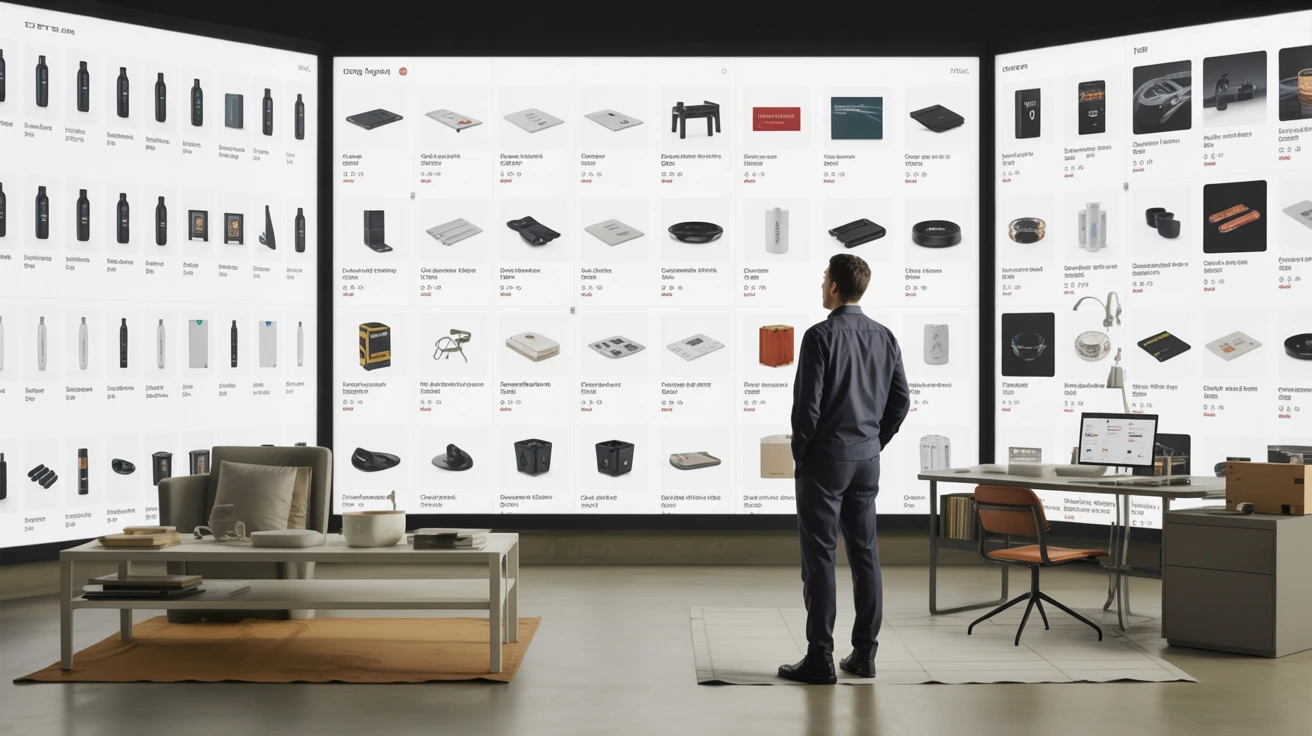
Product Catalog Design Best Practices for Higher Conversions
1. ClearVisual Hierarchy
Every catalog page should guide the eye naturally.
Best practice order:
Product image
- Product name
- Key benefits
- Price
- CTA or next step
This structure matches how buyers evaluate product
2. High-Quality, Consistent Product Images
Images are the first conversion trigger.
Best practices:
- Use consistent angles and lighting
- Avoid cluttered backgrounds
- Show product use when possible
- Maintain uniform image sizes
Consistency builds professionalism and trus
3. Focus on Benefits, Not Just Features
Features explain what it is.
Benefits explain why it matters.
Instead of:
- “500ml stainless steel bottle”
Use:
- “Keeps drinks cold for 24 hours—ideal for travel and workouts”
This approach improves engagement and buying intent
4. Simple, Scannable Typography
Avoid decorative fonts that reduce readability.
Best practices:
- One font for headings
- One font for body text
- Clear spacing between sections
- Bullet points for specifications
Readable catalogs keep users engaged longer.
5. Strategic White Space
White space is not wasted space.
It:
- Improves clarity
- Reduces cognitive load
- Highlights important elements
Crowded catalogs overwhelm users and lower conversions
6. Logical Product Grouping
Group products by:
- Category
- Use case
- Industry
- Price range
This helps users compare options without confusion.
7. Strong Calls-to-Action (CTAs)
Every catalog should guide the next step.
Examples:
- “View full specifications”
- “Request a quote”
- “Explore similar products”
- “Order now”
CTAs turn browsing into action
Digital vs Print Catalog Design: Key Differences
Digital Catalog Design
- Interactive elements
- Clickable CTAs
- Lightweight layout
- Mobile-friendly design
Print Catalog Design
- High-resolution imagery
- Clear pagination
- Durable layout
- Brand-focused presentation
Professional product catalog design services adapt layouts based on format
Common Catalog Design Mistakes That Hurt Conversions
- Overloading pages with text
- Inconsistent branding
- Poor image quality
- No clear CTAs
- Ignoring mobile users
Avoiding these mistakes alone can significantly improve performance.
How Professional Product Catalog Design Services Help
Professional services bring:
- User behavior insights
- Conversion-focused layouts
- Brand consistency
- Faster turnaround
- Scalable design systems
Instead of guessing, businesses rely on tested best practices.
Who Should Invest in Product Catalog Design Services?
- Ecommerce brands
- Manufacturers
- B2B companies
- Retailers
- Distributors
Any business showcasing multiple products benefits from professional catalog design.
Final Thoughts: Design Is a Sales Strategy
Product catalog design is not decoration.
It is a conversion strategy.
By applying these best practices, businesses can turn catalogs into powerful sales tools that guide users, reduce friction, and increase revenue.
FAQs:
Q-1. What are product catalog design services?
A-1. Product catalog design services create structured, visually clear catalogs that present products effectively and improve buyer decision-making.
Q-2. How does catalog design improve conversions?
A-2. Good design improves clarity, highlights benefits, reduces confusion, and guides users toward action, leading to higher conversions.
Q-3. Is digital catalog design better than print?
A-3. Both serve different purposes. Digital catalogs support interactivity, while print catalogs enhance brand credibility and offline sales.
Q-4. How often should a product catalog be updated?
A-4. Catalogs should be updated whenever products, pricing, or branding changes to maintain accuracy and trust.
Q-5. What makes a high-converting product catalog?
A-5. Clear hierarchy, strong visuals, benefit-focused content, white space, and strategic CTAs.
Q-6. Should small businesses invest in catalog design services?
A-6. Yes. Even small catalogs benefit from professional structure and presentation, improving perceived brand value.