Home / Blog / DIY Packaging Design vs Hiring a Professional Designer
DIY packaging design vs hiring a professional designer is a common decision for growing brands.This blog explains the real differences between DIY and professional packaging design, helping you decide which option makes sense for your product, budget, and brand goals.
24 Apr, 2026
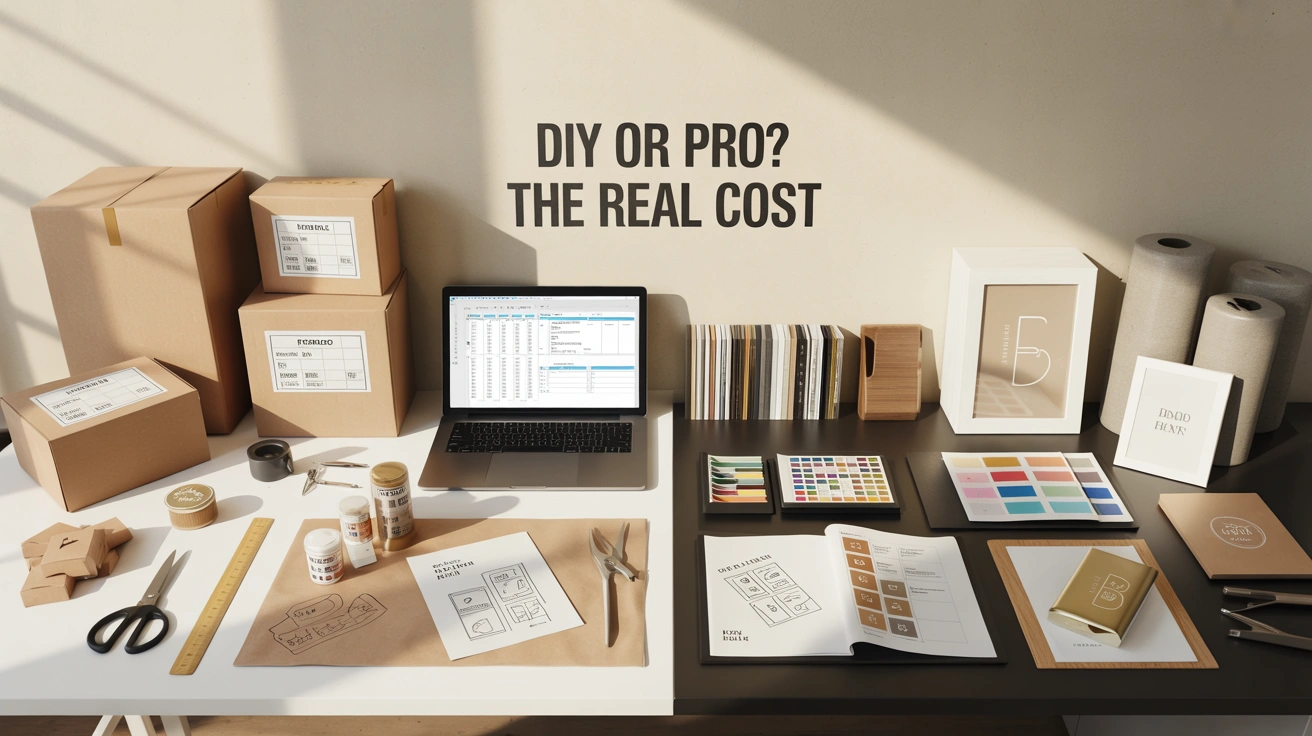
Packaging is often the first physical interaction a customer has with your brand. Before they use your product, read instructions, or experience quality, they see and touch the packaging.
For many businesses, especially startups and small brands, a common question arises early: Should we do our own packaging design, or hire a professional designer?
This guide breaks down the real differences between DIY packaging design and hiring a professional designer, helping you decide what’s right for your brand at its current stage.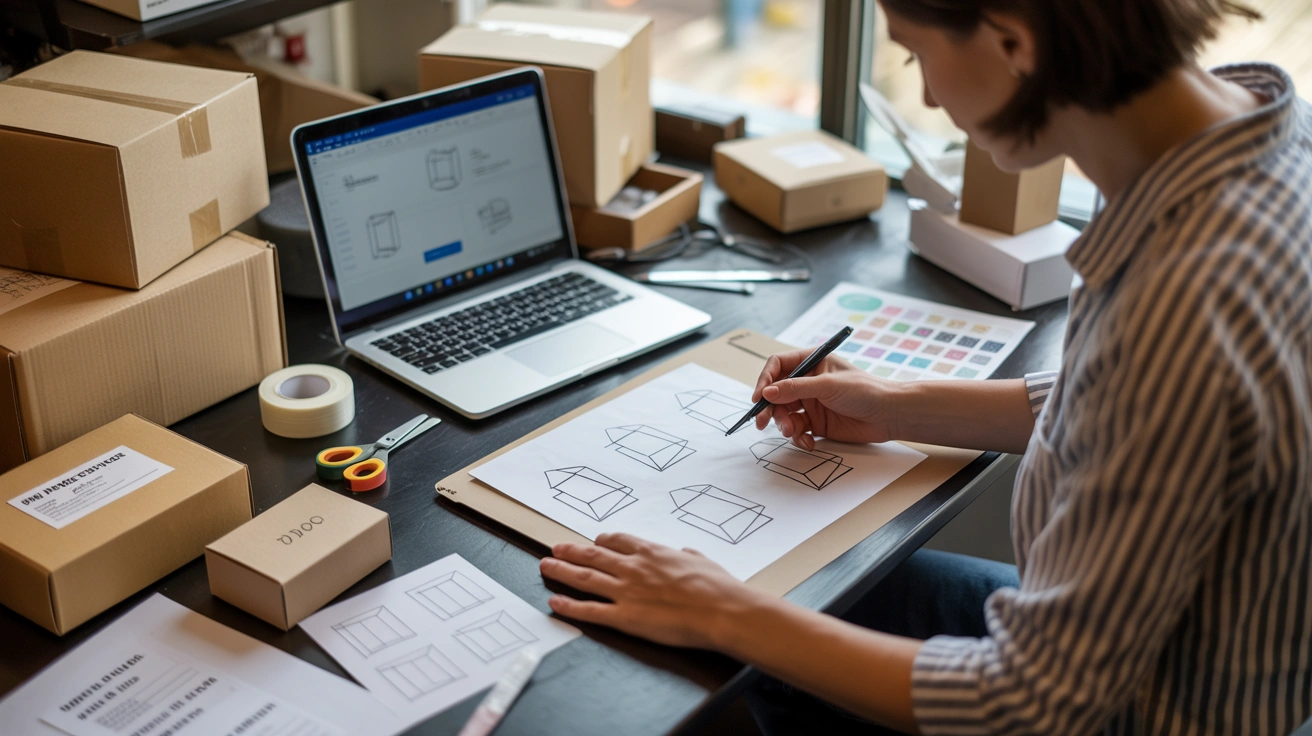
Packaging does more than hold a product. It communicates:
Poor packaging design can make even a great product feel cheap or unreliable. Good packaging supports sales without saying a word.
DIY packaging design typically means:
This approach is common for:
Hiring a professional packaging designer involves:
Professionals don’t just “make it look good.” They design packaging to work in real-world conditions.
Lower upfront cost
DIY design can seem budget-friendly, especially when starting out.
Speed and control
You can make changes quickly without external coordination.
Good for experiments
DIY works for testing product ideas or small internal batches.
Lack of design strategy
DIY designs often focus on appearance, not communication hierarchy.
Print and material mistakes
Without experience, issues like color shifts, bleed errors, or wrong materials are common.
Inconsistent branding
DIY packaging often doesn’t align perfectly with brand identity.
Hidden costs
Reprints, corrections, and poor shelf performance add up.
Strategic clarity
Professionals design with customer behavior, shelf impact, and usability in mind.
Brand consistency
Packaging aligns with your overall brand system.
Production-ready output
Designs are optimized for printing, materials, and scale.
Higher perceived value
Professional packaging increases trust and product credibility.
Higher upfront cost
Professional services require investment.
Longer timelines
Good design takes research, iteration, and testing.
Requires collaboration
Clear briefs and feedback are essential.
| Aspect | DIY Packaging | Professional Designer |
|---|---|---|
| Cost | Low upfront | Higher upfront |
| Quality | Inconsistent | High |
| Brand Alignment | Limited | Strong |
| Print Accuracy | Risky | Reliable |
| Scalability | Weak | Strong |
| Shelf Impact | Low | High |
DIY packaging can work if:
In these cases, DIY should be seen as short-term, not permanent.
Hiring a professional is usually the right move when:
Packaging becomes an investment, not an expense.
Many brands underestimate these risks:
These issues can directly impact sales and trust.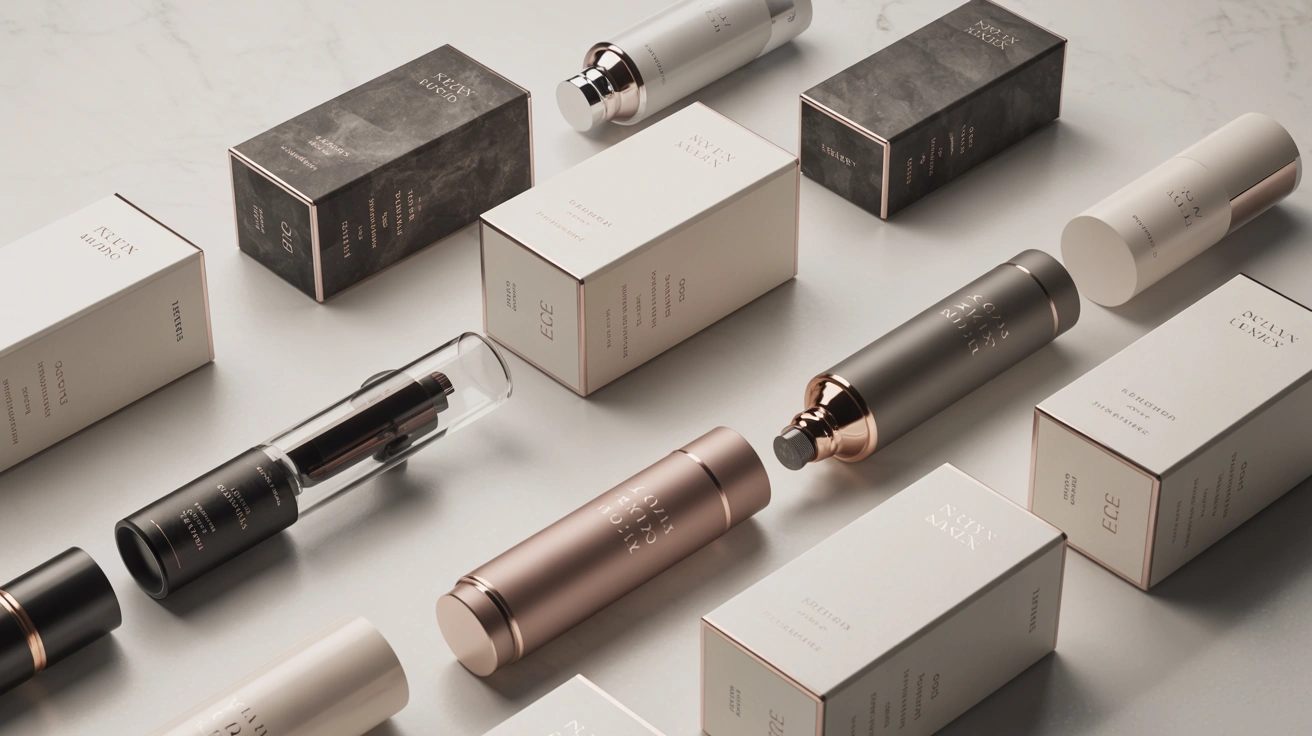
Customers often judge product quality based on packaging alone.
Professional packaging:
DIY packaging may work temporarily, but it rarely supports long-term brand growth.
Instead of asking:
“How much does professional packaging cost?”
Ask:
“What does poor packaging cost my brand over time?”
Lost sales, reprints, and weak brand recognition often cost more than professional design.
At 10Turtle, packaging design starts with:
The goal is packaging that works, not just packaging that looks good.
Q-1. Is DIY packaging design good enough for small businesses?
A-1. DIY packaging can work for testing or very small batches, but it often lacks consistency and strategic clarity needed for growth.
Q-2. When should a brand hire a professional packaging designer?
A-2. When packaging impacts sales, brand perception, or scalability, hiring a professional becomes a smart investment.
Q-3. Does professional packaging really affect sales?
A-3. Yes. Packaging influences trust, shelf visibility, and purchase decisions, especially in competitive markets.
Q-4. Is professional packaging design expensive?
A-4. It has a higher upfront cost, but it often saves money long-term by avoiding reprints and improving sales performance.
Q-5. Can I start with DIY packaging and upgrade later?
A-5. Yes, but transitioning later can cause brand inconsistency. Planning for professional design early is usually better.
Q-6. What are common DIY packaging mistakes?
A-6. Poor typography, cluttered layouts, incorrect print files, and inconsistent branding are the most common issues.
Q-7. Does packaging design need to match brand identity?
A-7. Absolutely. Packaging is a core brand touchpoint and should align with overall brand visuals and messaging.
Browse
Resources