Home / Blog / Common Packaging Design Mistakes That Kill Product Sales
Common Packaging Design Mistakes That Kill Product Sales
Many products fail not because of quality, but because of poor packaging choices. This article looks at common packaging design mistakes that reduce visibility, weaken trust, and quietly stop products from selling.
8 Apr, 2026
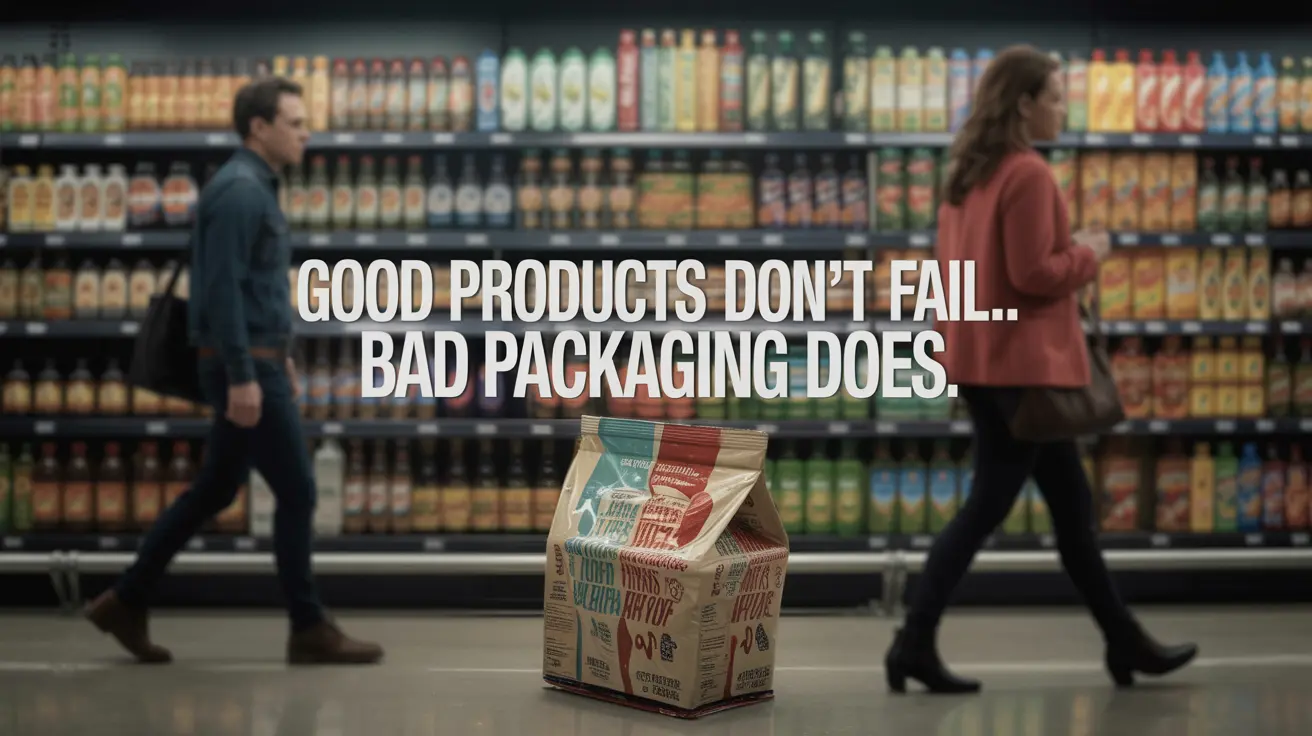
Good Products Fail Quietly Because of Packaging
Most products don’t fail loudly. They don’t get rejected outright. They get ignored. They sit on shelves. They get skipped online. They lose attention in seconds.
In many cases, the product itself is fine. The problem is packaging.
Packaging Design Has One Job
Packaging has one core responsibility: Help the product get chosen.
If packaging:
- Confuses people
- Feels untrustworthy
- Looks generic
- Miscommunicates value
Sales drop even when the product is good.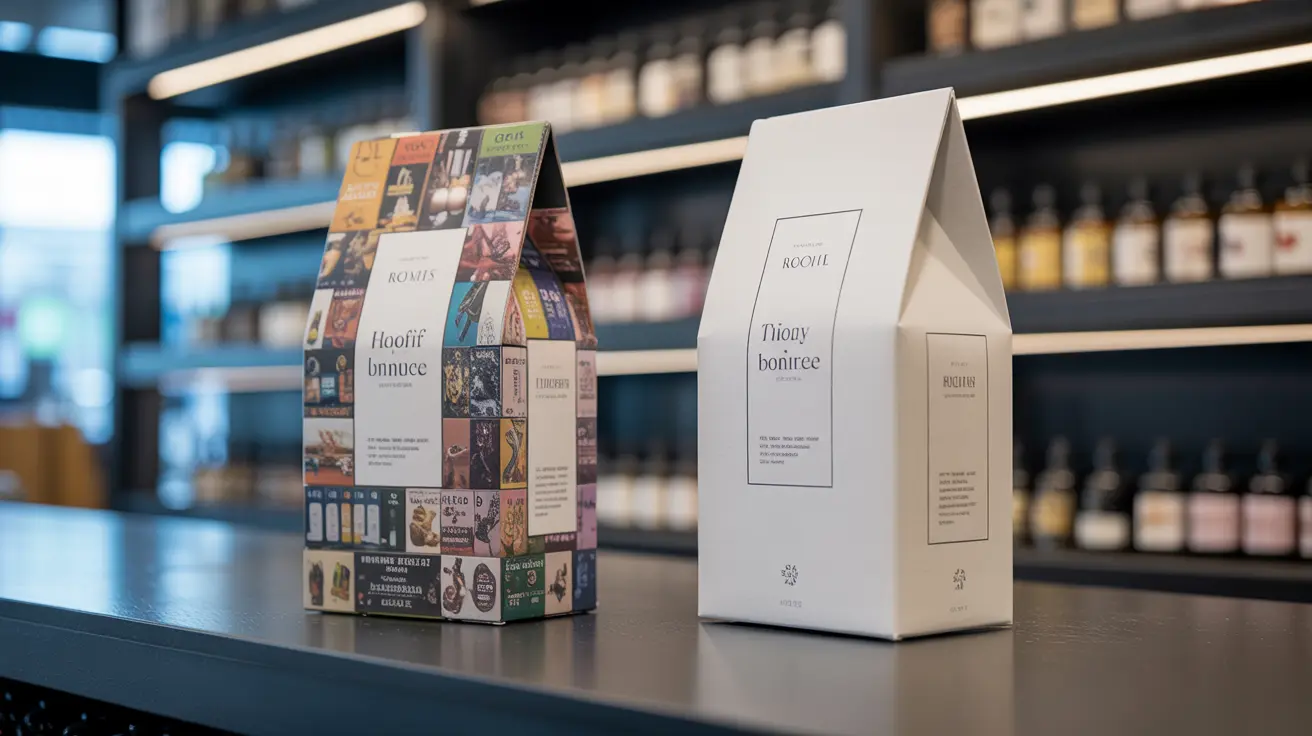
Why Packaging Design Mistakes Are So Costly
Packaging mistakes are dangerous because they:
- Happen early in the buying process
- Affect perception instantly
- Are hard to diagnose later
Once customers decide not to trust or notice a product, the opportunity is gone.
Mistake 1: Designing for the Brand Owner, Not the Buyer
This is one of the most common packaging design mistakes.
Many packages are designed to please:
- Internal teams
- Founders
- Designers
Instead of buyers.
Customers care about:
- Clarity
- Relevance
- Ease of understanding
Packaging that prioritizes aesthetics over usability often fails.
Mistake 2: Trying to Say Too Much on the Package
Overcrowding is a sales killer.
Symptoms include:
- Too much text
- Too many icons
- Multiple messages competing
- No clear focus
When everything is important, nothing stands out.
Customers don’t read packaging carefully. They scan it.
Mistake 3: Poor Visual Hierarchy
Visual hierarchy guides the eye.
Without it:
- Key benefits get lost
- Product names blend in
- Important details are missed
Packaging must answer three questions instantly:
- What is this?
- Who is it for?
- Why should I care?
If the layout doesn’t guide those answers, sales suffer.
Mistake 4: Weak or Confusing Branding
Inconsistent branding creates doubt.
Common issues:
- Changing colors across variants
- Inconsistent typography
- Unclear logo placement
This makes products harder to recognize and trust.
Strong packaging builds familiarity. Weak branding breaks it.
Mistake 5: Ignoring the Shelf or Screen Context
Packaging does not exist alone.
It competes with:
- Other products
- Lighting conditions
- Digital thumbnails
Designing in isolation is a mistake.
Packaging must be tested:
- On shelves
- In ecommerce listings
- At different sizes
What looks good in mockups can disappear in reality.
Mistake 6: Using Generic or Overused Design Styles
Many packaging designs look the same.
This happens when:
- Trends are copied blindly
- Stock visuals are reused
- Templates are followed
Generic packaging blends in.
Blending in kills sales.
Mistake 7: Misrepresenting the Product
Packaging sets expectations.
When packaging:
- Overpromises
- Misleads
- Feels dishonest
Customer trust breaks quickly.
This leads to:
- Returns
- Negative reviews
- Lost repeat customers
Trust once lost is hard to recover.
Mistake 8: Poor Readability
Small text. Low contrast. Busy backgrounds.
These are silent sales killers.
Customers should not struggle to read:
- Product name
- Key benefits
- Usage information
If reading feels hard, buying feels risky.
Mistake 9: Ignoring Emotional Signals
People don’t buy purely logically.
Packaging communicates emotion through:
- Color
- Shape
- Texture
- Tone
Ignoring emotional cues leads to packaging that feels cold or irrelevant.
Mistake 10: Inconsistent Packaging Across Channels
Retail and ecommerce are different.
A common mistake is using:
- One design without considering both contexts
What works on a shelf may fail online.
Packaging must support:
- Physical presence
- Digital visibility
- Unboxing experience
Mistake 11: Treating Packaging as a One-Time Task
Markets change. Customer expectations shift.
Treating packaging as “done forever” is risky.
Regular evaluation helps:
- Stay relevant
- Improve clarity
- Support new audiences
Mistake 12: Not Testing Packaging Before Launch
Many brands skip testing. They assume design works.
Testing could include:
- Shelf mockups
- Customer feedback
- A/B variants
Skipping this step increases risk.
Why These Packaging Design Mistakes Kill Sales Slowly
The danger is subtle.
Sales don’t crash instantly. They:
- Decline quietly
- Plateau unexpectedly
- Fail to grow
Packaging becomes an invisible barrier.
How Professional Packaging Design Prevents These Mistakes
Professional packaging design services focus on:
- Customer psychology
- Visual clarity
- Brand consistency
- Real-world context
Design decisions are made with sales in mind, not taste.
When Packaging Problems Are Actually Business Problems
If a product struggles despite:
- Good reviews
- Fair pricing
- Strong distribution
Packaging should be questioned.
It is often the missing link.
Fixing Packaging Design Mistakes the Right Way
Effective fixes start with:
- Understanding the buyer
- Clarifying the message
- Simplifying design
- Testing before rollout
Redesign is not about trends. It’s about clarity.
Choosing the Right Packaging Design Partner
A strong partner:
- Thinks commercially
- Understands branding
- Designs for context
- Avoids surface-level visuals
At 10turtle, packaging design focuses on clarity, trust, and conversion, not decoration.
FAQs
Q-1. Can packaging design really hurt product sales?
A-1. Yes. Poor packaging reduces visibility, trust, and clarity, which directly impacts buying decisions even when the product itself is good.
Q-2. What is the most common packaging design mistake?
A-2. Trying to include too much information. Overcrowded packaging confuses customers and hides key selling points.
Q-3. How does packaging affect customer trust?
A-3. Packaging signals quality and honesty. Inconsistent or misleading design creates doubt before purchase.
Q-4. Are packaging mistakes more harmful in ecommerce?
A-4. Often yes. Poor packaging affects thumbnails, unboxing experience, and reviews, all of which influence online conversions.
Q-5. When should a brand redesign its packaging?
A-5. When sales stagnate, branding feels outdated, or customers show confusion, it’s time to reassess packaging design.
Q-6. Can professional packaging design fix sales issues?
A-6. If packaging is the barrier, professional design focused on clarity and customer perception can significantly improve results.