Home / Blog / Why Packaging Design Matters for Branding, Sales & Customer Trust
Why Packaging Design Matters for Branding, Sales & Customer Trust
Packaging often creates the first real interaction between a brand and its customer. This article explores how thoughtful packaging design influences brand identity, buying decisions, and long-term customer trust across physical and digital marketplaces.
30 Mar, 2026
Packaging Is Often the First Brand Conversation
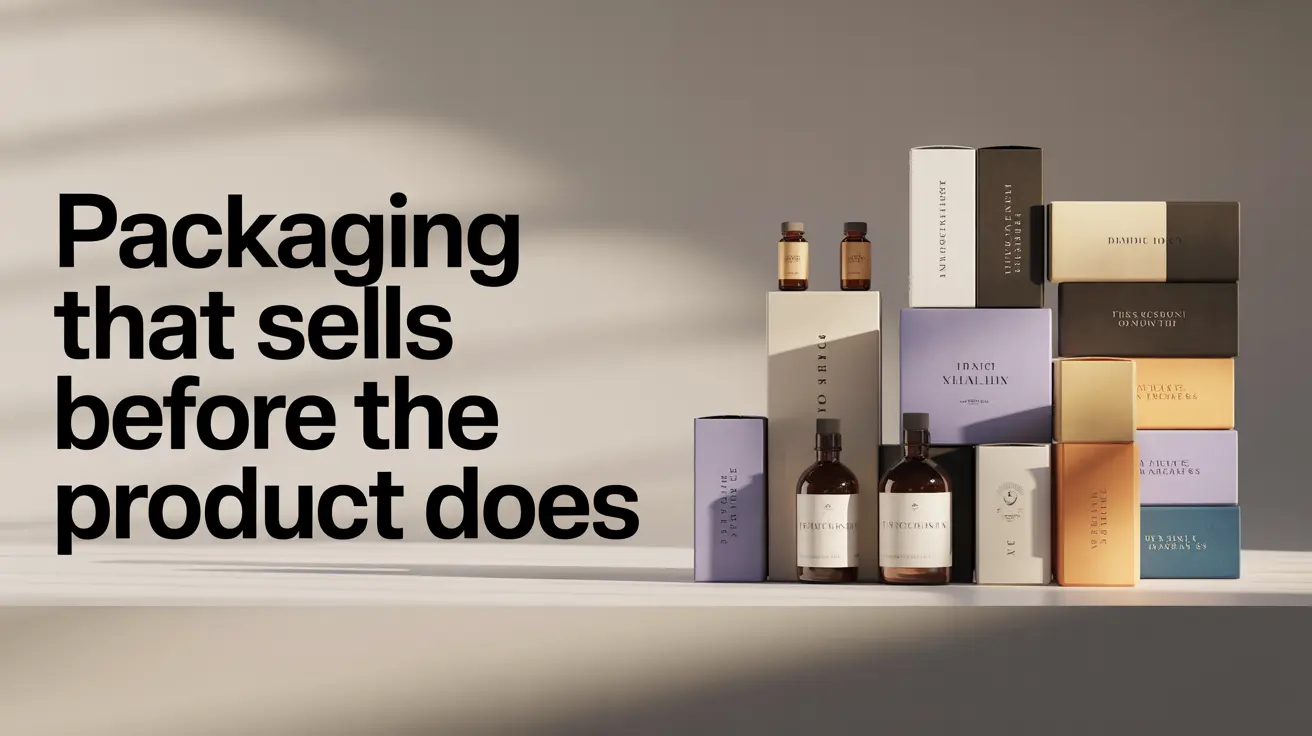
Before a product is used, it is seen. Before it is trusted, it is judged. Before it is remembered, it is touched.
Packaging is often the first physical interaction a customer has with a brand. In many cases, it is the only interaction before purchase. That makes packaging design far more than decoration.It is communication.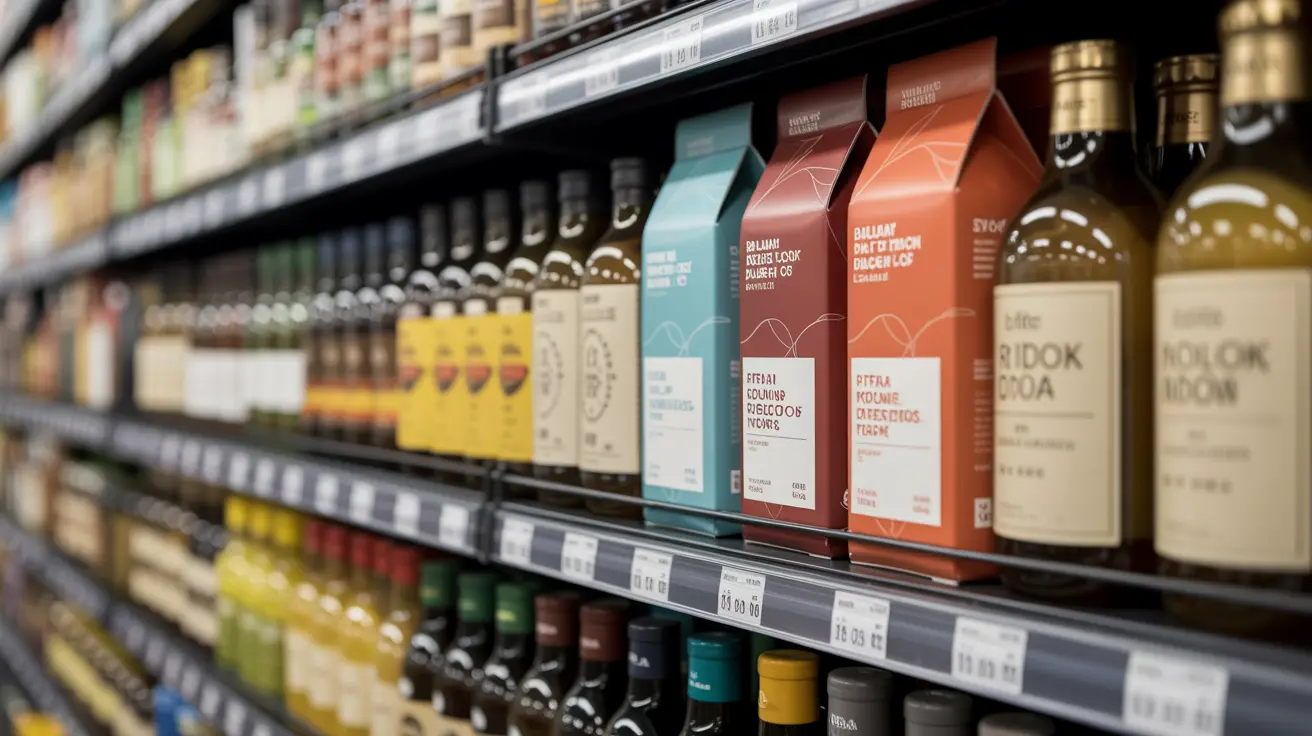
Why Packaging Design Matters More Than Ever
Markets are crowded. Customers are overwhelmed with choice. Attention is limited.
In this environment, packaging must:
- Stand out quickly
- Communicate value clearly
- Feel trustworthy instantly
If it fails at any of these, the product struggles — regardless of quality.
Packaging Design Is a Branding Tool, Not a Wrapper
Branding does not live only in logos or ads. It lives in:
- Color choices
- Typography
- Materials
- Shape
- Messaging tone
Packaging brings all of this together in one place. Strong packaging design makes a brand recognizable even without a logo.
The Silent Salesperson on the Shelf
Packaging sells without speaking. It answers questions like:
- Is this product premium or affordable?
- Is it safe?
- Is it modern or traditional?
- Is it made for me?
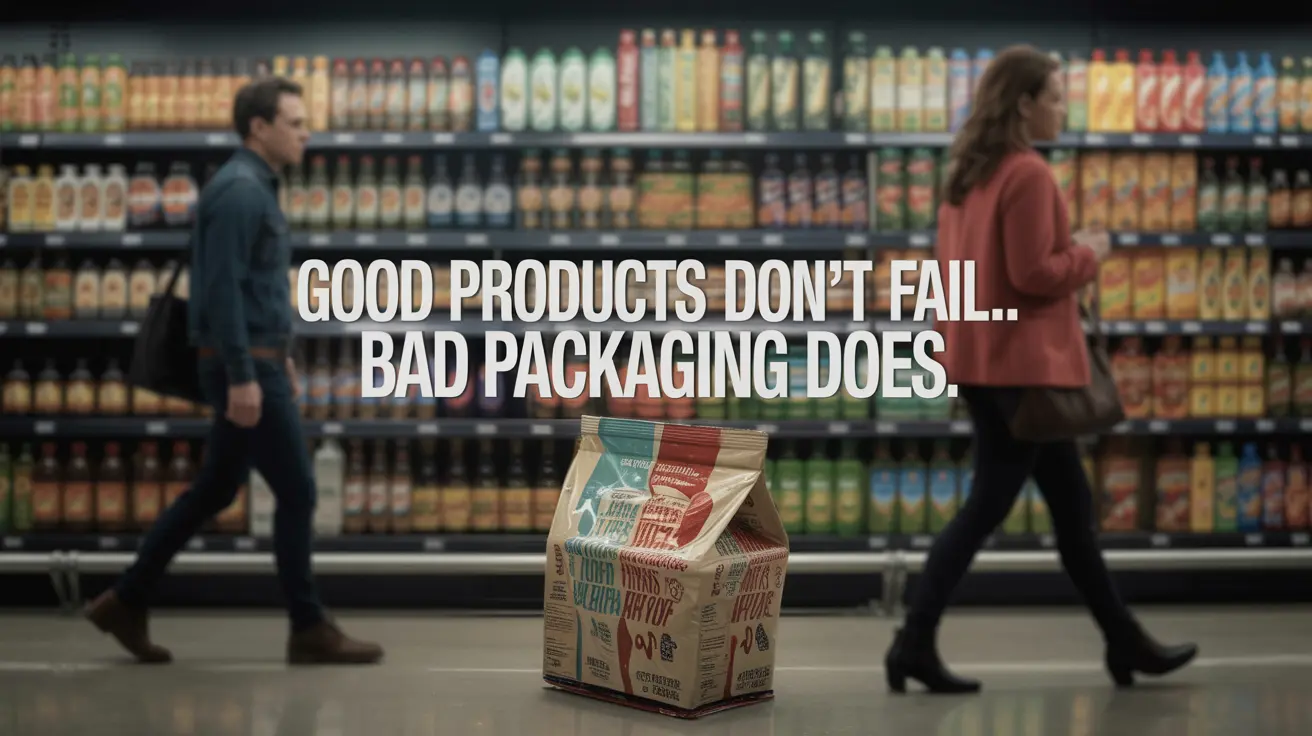
Customers make these judgments in seconds. Good packaging design guides those decisions.Poor packaging creates hesitation.
How Packaging Design Influences Buying Decisions
Visual Attention Comes First
On a shelf or screen, products compete visually.
Design choices that influence attention:
- Contrast
- Color psychology
- Layout clarity
- Hierarchy of information
If packaging is ignored, the product is ignored.
Clarity Reduces Purchase Friction
Customers hesitate when they are confused.
Packaging must clearly communicate:
- What the product is
- Who it is for
- Why it is useful
- How it fits into their
Clear design reduces doubt.
Perceived Value Is Shaped by Design
Packaging affects how much customers believe a product is worth.
Even before pricing:
- Materials
- Finish
- Print quality
- Structure
All signal values. This directly impacts willingness to pay.
Packaging Design and Customer Trust
Trust is fragile. Customers look for reassurance in packaging through:
- Consistency
- Professional quality
- Honest messaging
- Legible information
Inconsistent or cheap-looking packaging raises concerns — even if the product is good.
Why Packaging Design Is Critical for New Brands
New brands lack recognition. Packaging becomes their credibility.
For new products:
- Packaging replaces reputation
- Design replaces reviews
- Visuals replace experience
This makes professional packaging design services especially important for startups and growing brands.
The Role of Packaging in Ecommerce
In ecommerce, packaging works differently but still matters.
It influences:
- Product images
- Unboxing experience
- Reviews
- Social sharing
- Repeat purchases
Poor packaging leads to:
- Damage complaints
- Negative reviews
- Returns
Good packaging improves retention.
Packaging Design and the Unboxing Experience
Unboxing is not just a trend. It is a trust-building moment.
Thoughtful packaging:
- Reinforces brand promise
- Makes customers feel valued
- Encourages sharing and loyalty
This is especially important for direct-to-consumer brands.
Elements of Effective Packaging Design
Structure and Form
Shape affects perception.
Good structure:
- Protects the product
- Feels intuitive
- Supports storage and display
Color and Typography
Color sets emotion. Typography sets tone.
Together, they influence:
- Brand personality
- Readability
- Shelf visibility
Materials and Finish
Materials signal quality. Finish signals attention to detail.
Both affect trust and perceived value.
Messaging and Information Hierarchy
Customers should not search for answers.
Packaging should guide them naturally:
- Product name first
- Key benefit second
- Supporting details last
Common Packaging Design Mistakes That Hurt Sales
- Overcrowded layouts
- Generic visuals
- Inconsistent branding
- Poor readability
- Ignoring shelf context
- Designing without customer insight
Professional packaging design services help avoid these costly errors.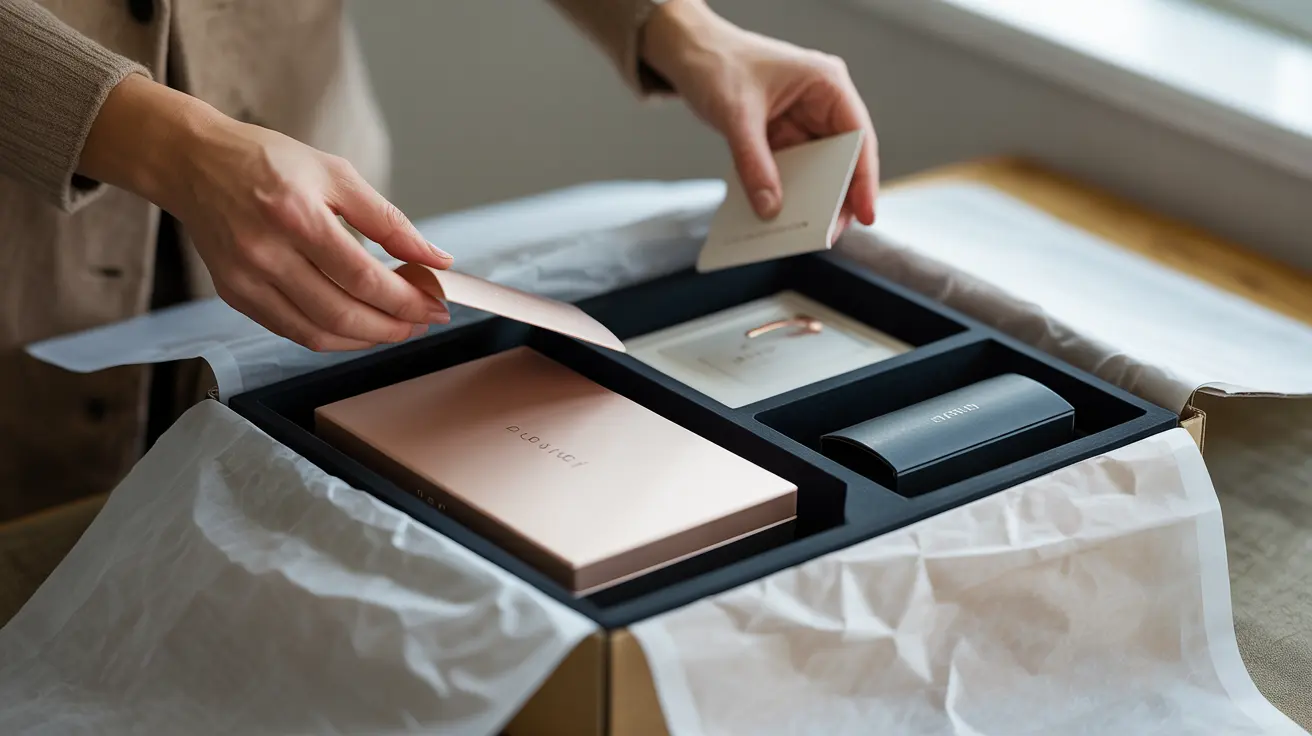
Packaging Design vs Just “Making It Look Nice”
Design without strategy is decoration.
Effective packaging design:
- Supports brand positioning
- Matches target audience expectations
- Aligns with pricing strategy
- Fits distribution channels
Looks matter but purpose matters more.
How Packaging Supports Long-Term Brand Recognition
Repeated exposure builds memory.
Consistent packaging:
- Improves recall
- Builds familiarity
- Strengthens trust over time
Customers begin to recognize the brand without effort.
Sustainability and Packaging Design
Modern customers care about responsibility.
Packaging design now also communicates:
- Environmental awareness
- Material choices
- Waste reduction
Clear, honest design matters more than green claims.
When Businesses Should Invest in Professional Packaging Design Services
The right time is when:
- Launching a new product
- Rebranding
- Expanding into retail
- Entering ecommerce
- Competing in a saturated market
At these moments, packaging directly affects outcomes.
Choosing the Right Packaging Design Partner
A good partner understands:
- Branding strategy
- Sales psychology
- Production constraints
- Market context
At 10turtle, packaging design focuses on clarity, consistency, and commercial impact, not surface-level aesthetics.
FAQs
Q-1. Why does packaging design matter for branding?
A-1. Packaging is often the first brand touchpoint. It shapes perception, communicates values, and helps customers recognize and trust a brand quickly.
Q-2. Can packaging design really affect sales?
A-2. Yes. Packaging influences attention, clarity, and perceived value, all of which impact purchase decisions both online and offline.
Q-3. How does packaging design build customer trust?
A-3. Professional, consistent, and clear packaging signals quality and reliability, reducing doubt before purchase.
Q-4. Is packaging design important for ecommerce brands?
A-4. Absolutely. Packaging affects unboxing experience, reviews, returns, and repeat purchases, making it critical for ecommerce success.
Q-5. When should a business redesign its packaging?
A-5. When sales stagnate, branding evolves, or the product enters new channels, redesigning packaging can restore relevance and competitiveness.